

Key Elements for a Successful Project
When thinking about installing a fence, chain link fences are a popular choice due to their durability and cost-effectiveness. These fences offer great security without compromising on visibility. Before diving into the installation process, there are several factors to consider. Understanding these can help ensure that your project goes smoothly and meets your needs. In this guide, we will explore important aspects you should look at when planning to install a chain link fence.
Assessing Your Needs and Purpose
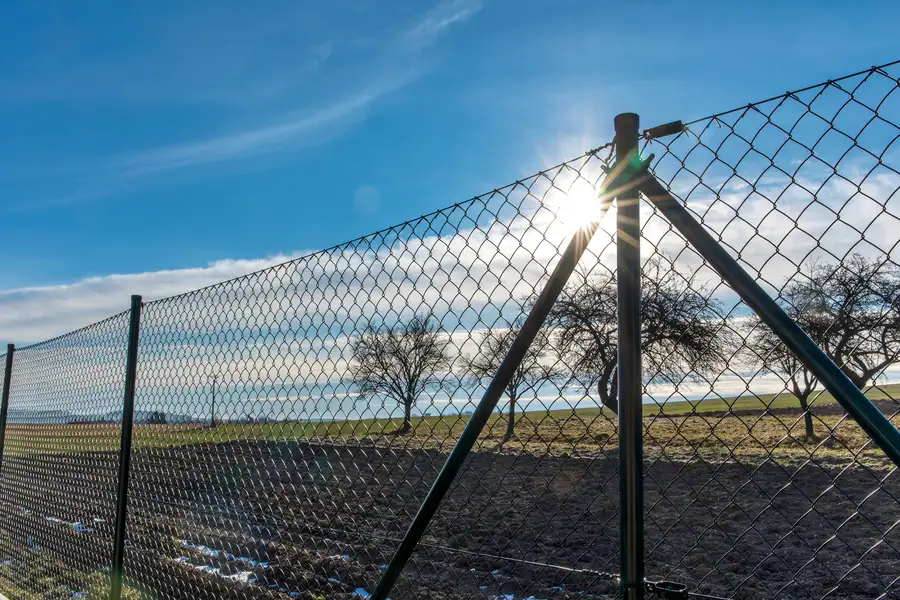
The first step is to clearly define why you need the fence. Are you looking to enhance security, mark property boundaries, or keep pets inside? The purpose of the fence will influence key decisions such as height, material grade, and gate options. Being clear on what you want from your fence will guide other decisions in the planning process.
Choosing the Right Materials
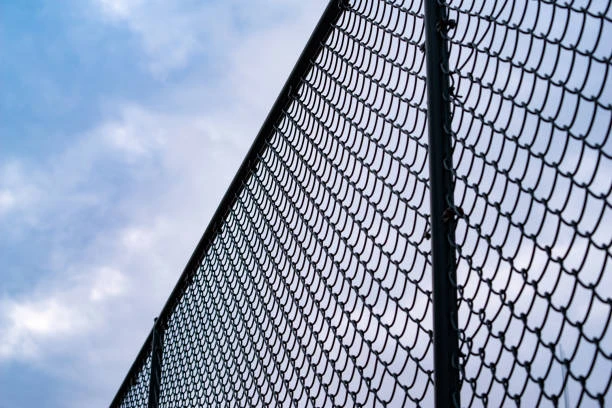
Chain link fence installation involves selecting appropriate materials that suit your specific requirements. Common options include galvanized steel and vinyl-coated wire, both offering strength and weather resistance. Galvanized fences are rust-resistant, while vinyl-coated ones provide extra protection and aesthetic appeal. Choose materials based on environmental conditions and personal preferences.
Planning for Local Regulations and Codes
Before starting any installation work, it’s vital to research local zoning laws and regulations related to fencing. Different areas have various rules concerning fence heights, placements, and permits. Contact your local government office or homeowners association for guidelines to avoid legal issues after your chain link fence installation is complete.
Determining Fence Height and Length
The height and length of your fence depend on its intended use. For privacy or security purposes, taller fences might be more suitable. Measure the area where the fence will be installed accurately to calculate the total length needed. This helps in ordering the right amount of materials and staying within budget.
Considering Installation Costs
- Materials: Prices vary depending on quality and type.
- Labor: Hiring professionals ensures quality but increases costs.
- Permits: Fees may apply based on local regulations.
- Maintenance: Factor in long-term upkeep expenses.
Budget carefully and obtain quotes from different suppliers and installers to find the best deal that fits your financial plan.
Ensuring Proper Installation Techniques
A successful installation involves proper techniques and tools. If you’re installing the fence yourself, familiarize yourself with necessary tools like post hole diggers and tension bars. Alternatively, hiring professionals who understand industry standards guarantees high-quality results. Skilled installers know how to handle challenging terrains and ensure all components fit perfectly.
Addressing Maintenance Requirements
Post-installation maintenance is crucial for extending the lifespan of your chain link fence. Regularly inspect for damages such as bent posts or loose ties. Clean the fence using mild soap and water to prevent dirt buildup. Apply rust-inhibiting paint if needed to maintain appearance and functionality over time.
Final Thoughts on Your Fence Project
Your new fence can serve its purpose effectively with careful planning and execution. By considering the factors above, you make informed choices that lead to satisfying outcomes. Reach out for more information by calling (682) 459-5271. As an expert in Keller, TX, I ensure top-notch service tailored to your specific needs. Trust Taurus Fences for quality solutions that last.